

Establishing the Largest Logistics and Industrial Free Economic Zone in the Region within Central Asia Smart City: A New Stage of Economic Transformation and Export Infrastructure
Introduction
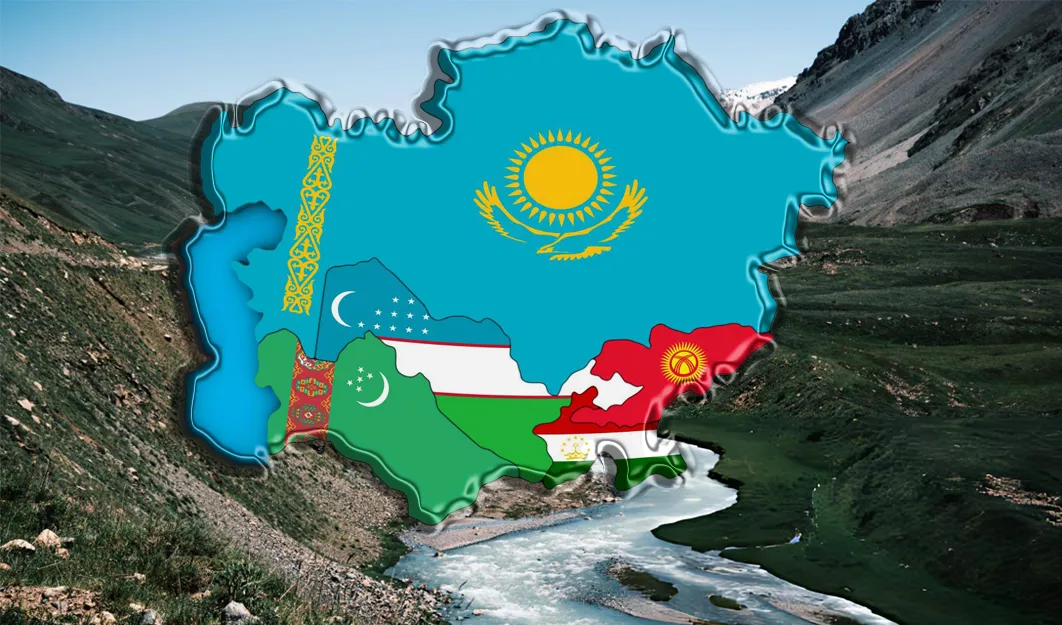
In Uzbekistan’s strategy for rapid urbanization, industrialization, and enhancing export potential, logistical infrastructure and free economic zones hold a special place. Located at the crossroads of Central Asia, Uzbekistan possesses a favorable economic geography — developed transport corridors, transit potential, and a young demographic advantage — creating ideal conditions for becoming a leading regional logistics hub.
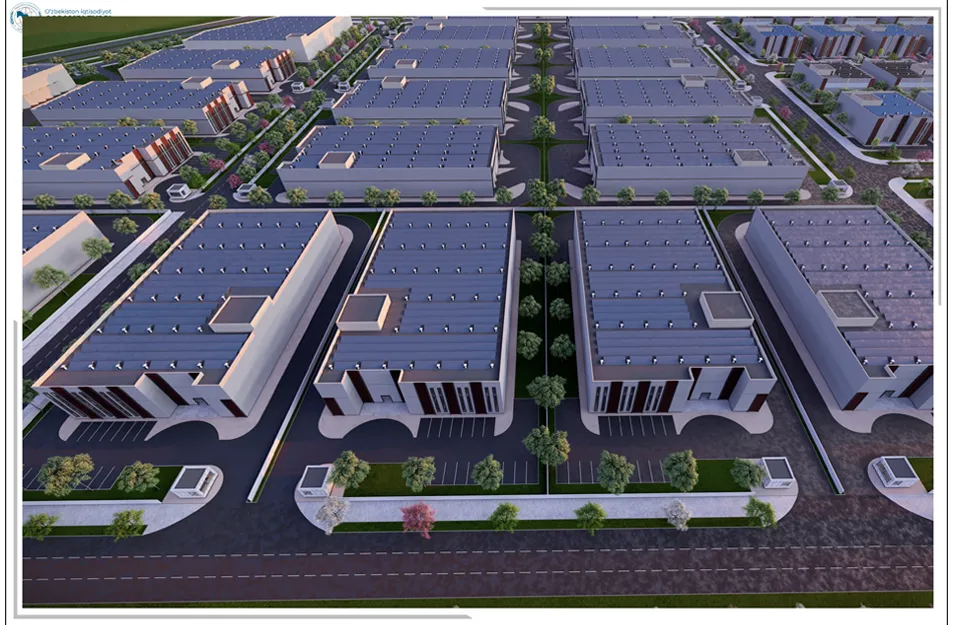
In this context, the establishment of the region’s largest logistics and industrial Free Economic Zone (FEZ) within the Central Asia Smart City mega project is emerging as a strategic foundation. The integration of logistics, industry, distribution, customs, and export-oriented digital infrastructure within the project territory will contribute to shaping Uzbekistan as an export-oriented economy.
1. Project Concept and Strategic Objectives
The FEZ created within the Central Asia Smart City project aims to achieve the following core objectives:
1.1 Formation of a Major Regional Logistics Hub
Direct integration with the China–Europe transport corridor
Connection to the Trans-Caspian International Transport Route (TITR)
Unification of Central Asia’s internal markets into a single logistics network
24/7 digital customs operations and smart-tracking systems
1.2 Network of Export-Oriented Industrial Parks
Clusters for the production of finished and semi-finished goods
Light industry, chemicals, electrical engineering, packaging, food processing, and machinery sectors
Increasing added value through local raw material processing
1.3 Innovative Management Model
AI-based logistics management
Monitoring of industrial zones through Digital Twin technology
Smart-energy solutions: microgrids, PV stations, EV-logistics
---
2. Mobilizing Social, Political, Legal, and Economic Opportunities
Project success requires a harmonized mechanism involving government, private sector, and international cooperation. For this purpose, the following opportunities are mobilized:
2.1 Social Opportunities
Creation of more than 200,000 new jobs
Vocational and technical retraining programs for local residents
Supplying skilled professionals through the University of Knowledge and Technologies
Improved living conditions and accelerated urbanization in surrounding settlements
2.2 Political Opportunities
Uzbekistan’s policy of transitioning to an open economy
Presidential-level mechanisms for supporting major investment projects
Regional integration and logistics agreements with Kazakhstan, Kyrgyzstan, and Turkmenistan
2.3 Legal Opportunities
FEZ status: tax and customs incentives
Legislation protecting investor rights
Digital Governance Framework within the Smart City territory
2.4 Economic Opportunities
Cooperation with major international financial institutions: AIIB, EBRD, IDB, JICA
Preferential conditions for private investment
Integration with export credit agencies
Annual multi-billion-dollar turnover from logistics services
3. Construction and Management Model of Logistics and Industrial Infrastructure
3.1 Multimodal Logistics Center
The project envisions the construction of the following terminals:
Railway terminal
Road transport hub
Air cargo terminal
Container handling facilities
Customs-control terminal
Cargo flows will be managed through AI-based systems.
3.2 Industrial Free Economic Zone
Industrial clusters will cover 2,200 hectares, including:
Chemicals and polymers
Electrical engineering
Metal processing
Pharmaceuticals
Packaging industry
Food and agricultural processing
3.3 Smart Management System
Real-time monitoring through IoT sensors
Digital Twin-based digital model of the entire territory
Centralized energy management system (BEMS)
Intelligent water and waste management systems
4. Integration with Regional and International Logistics Networks
The Central Asia Smart City FEZ will be connected to the following major corridors:
4.1 International Corridors
China – Kazakhstan – Uzbekistan – Europe corridor
Trans-Caspian corridor (via Caspian Sea to Türkiye and Europe)
Southern route: Uzbekistan – Afghanistan – Pakistan – Indian Ocean
4.2 Regional Integration
Logistics centers of Kazakhstan (Saryagash, Khorgos)
Transport hubs of Kyrgyzstan
Caspian Sea access via Turkmenistan’s ports
4.3 Digital Logistics Platform
Smart trucking system
Electronic cargo tracking system (E-CMR)
Blockchain-based export certification platform
5. New Opportunities for Exporters
5.1 Promotion of Finished Goods Exports
The project will boost exports in the following sectors:
Chemical and polymer products
Electrical and household appliances
Packaging materials
Deep-processed fruit and vegetable products
Pharmaceuticals
5.2 Additional Advantages for Local Producers
Reduced logistics costs
Accelerated customs procedures
Export certification centers
Integration with international distribution networks
5.3 Strategic Benefits for Investors
Tax incentives for 10–15 years
Optimal land allocation conditions
Guaranteed repatriation of capital
State-supported infrastructure
Conclusion
The establishment of the region’s largest logistics and industrial Free Economic Zone within the Central Asia Smart City will define the next stage of Uzbekistan’s economic development. Located at the intersection of major regional transport corridors, the project will become a strategic platform for exporters, investors, manufacturers, and international logistics companies.
Through the harmonized mobilization of social, political, legal, and economic opportunities, the project will:
create a competitive export infrastructure,
transform the logistics landscape of Central Asia,
establish high-tech industrial clusters,
strengthen Uzbekistan’s role in the global economy.
Central Asia Smart City is a mega initiative that defines Uzbekistan’s industrialized, digital, and export-oriented future.